
Why You Need a Command Centre
There's chaos everywhere. Someone's looking for their keys while another person's asking what's for dinner and a third child needs their permission slip signed by tomorrow. Sound familiar?
A family command centre doesn't eliminate the chaos — but it centralises it. One place where schedules live. One spot for keys. One home for paperwork that actually matters. When everyone knows where to look, your mornings run smoother and you're not hunting through three rooms looking for a form.
The best part? You don't need a dedicated room. A corner of your kitchen, a hallway wall, or even a small cupboard can work brilliantly. It's about systems, not space.
The Three Core Zones
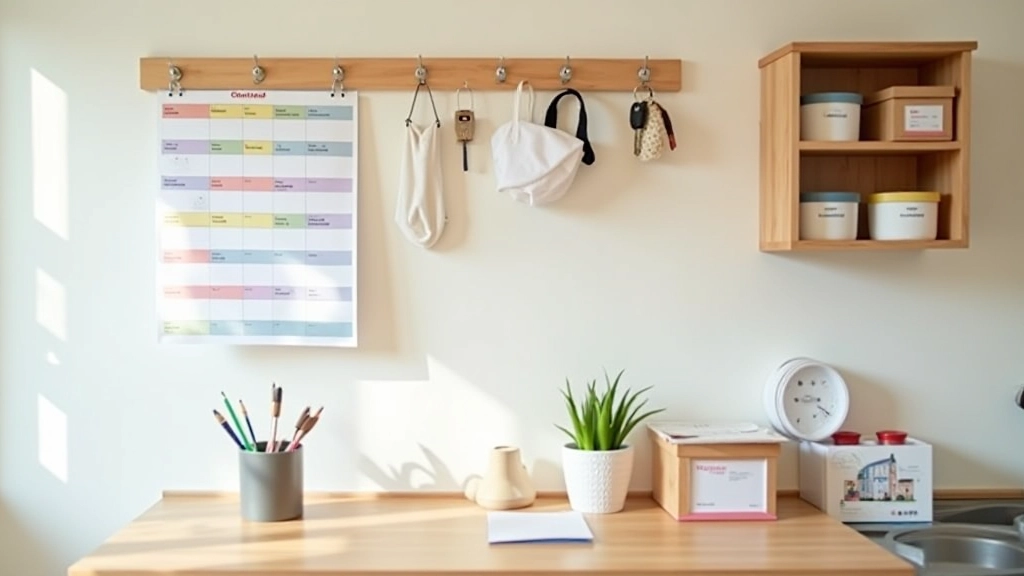
Your command centre works best when it's split into three zones. Each zone handles a specific category. Think of it like sections in a filing cabinet — everything has a home.
Zone 1: Schedules
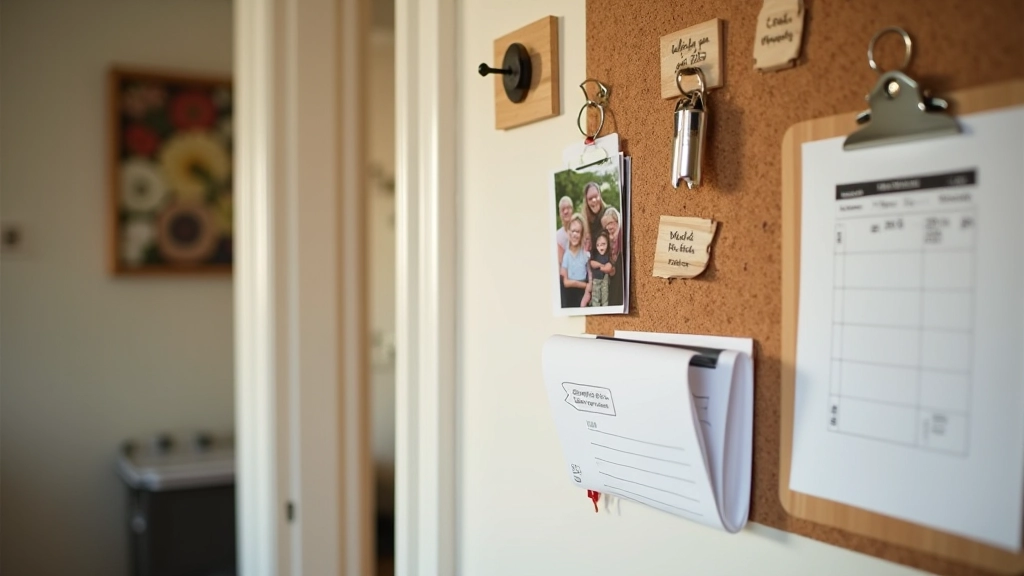
Wall-mounted calendar or whiteboard. Family members' colours or initials. You're looking at the whole week at a glance. Soccer practice Tuesday, dentist Wednesday, school trip Friday. Everyone sees what's happening. Updates go here first — not in three different phone calendars.
Zone 2: Keys & Daily Items
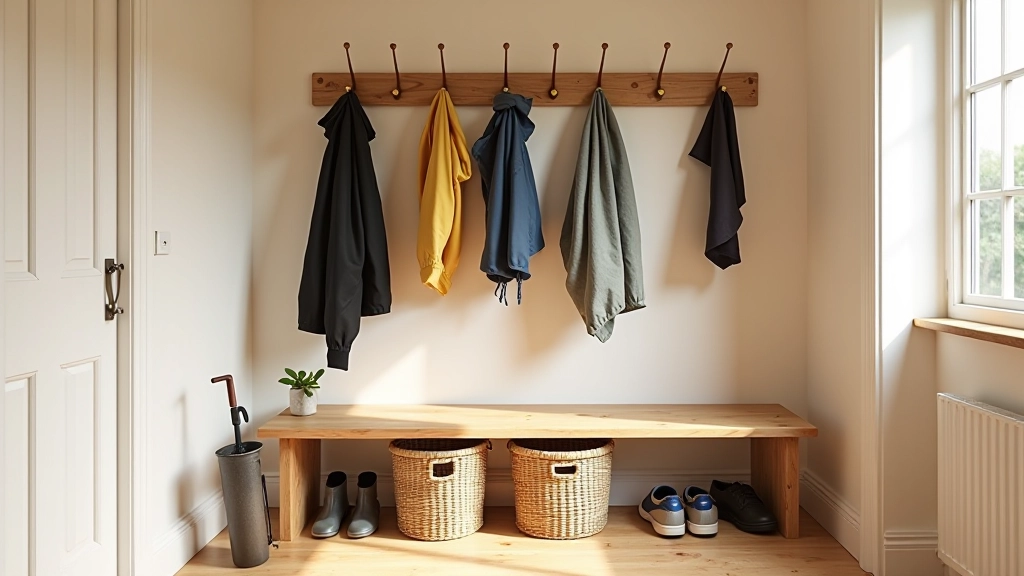
Hooks, small baskets, or a key organiser. One place for house keys, car keys, and whatever else leaves daily. Each person has their own hook or basket. No more "Has anyone seen my keys?" at 7:45 AM.
Zone 3: Paperwork
Folders, trays, or wall-mounted pockets. School forms, permission slips, medical records, bills waiting for payment. Anything that needs action or keeping gets sorted here. Most families use a "To Do" tray and a "Filed" section.

Making It Actually Work
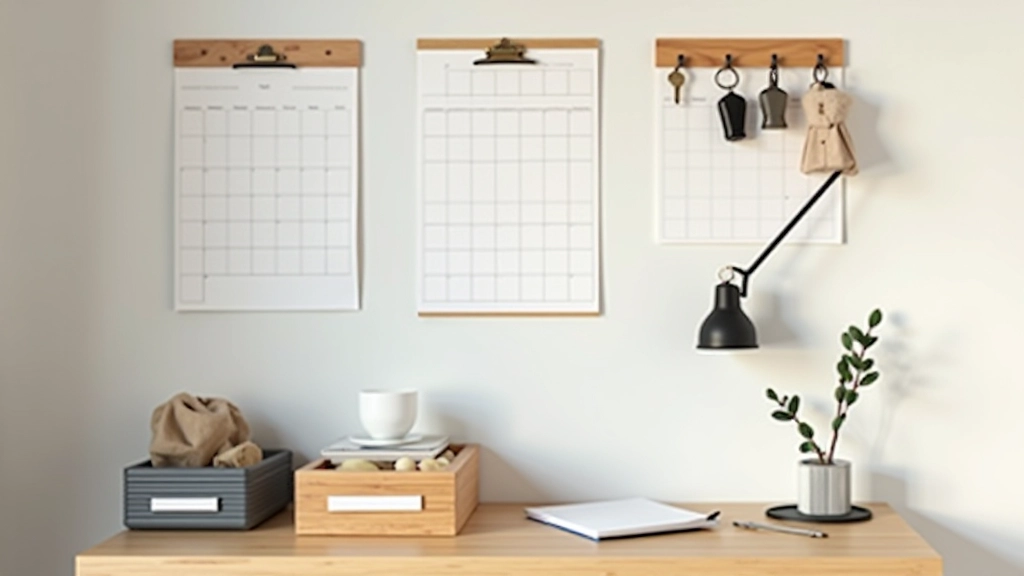
The command centre fails when nobody uses it. That's the real challenge. You can build the perfect system and it'll gather dust if your family doesn't buy in.
Start with a family meeting. Show them the space. Explain what goes where. Let them choose their hook colour or calendar colour. Involvement creates ownership. Kids are way more likely to use something they helped design.
Keep it simple at first. You don't need fancy labels or a colour-coded system on day one. Start with three basic zones. Add complexity only when the basics are working. Most families take 2-3 weeks to build the habit of actually checking the calendar or grabbing keys from the hook instead of the kitchen counter.
One rule that helps: phones down when someone's checking the command centre. Make it a real moment. "I'm checking the calendar for the week" instead of half-remembering something while scrolling.
What You Actually Need
Don't overthink the shopping list. Most of what you need probably exists in your house already.
Calendar
Wall-mounted, whiteboard, or printable monthly calendar. Anything that everyone sees. Write in pencil for flexibility.
Key Storage
Hooks, a key rack, or even a small basket on a shelf. Label each hook with names or initials so it's obvious where keys belong.
Paper Management
Two trays or folders: "Action Needed" and "Filed". Or use wall-mounted pockets. The system matters less than consistency.
Writing Tools
Pens, pencils, markers. Keep them in a small cup or container right at the command centre so you're not hunting for supplies.

Quick Tips That Actually Work
These aren't revolutionary ideas. They're just things families have done that actually stick.
Colour Code Everything
Assign each family member a colour. Calendar, hooks, folders — same colour for same person. Visual recognition is powerful. Kids especially respond to it.
Update Weekly
Sunday evening works for most families. Fifteen minutes to update the calendar, clear old paperwork, and reset for the week ahead. Make it a routine.
Use Labels Generously
Label everything. "School Forms," "Medical Records," "To Sign." No guessing. Label maker is worth the investment if you're doing this properly.
Audit Quarterly
Every three months, pull out all the paperwork. Shred what's old. Archive what needs keeping. Prevents the system from becoming a junk drawer.
Put It at Eye Level
Don't mount it too high or too low. Everyone in your family should be able to check the calendar without reaching or bending. Accessibility drives usage.
Keep a Backup Calendar
One person carries a small version in their bag. When a new commitment gets made, it goes on both calendars immediately. Reduces the "I thought that was next week" moments.
It's Not Perfect — And That's Fine
Your command centre won't solve everything. Someone will still lose their keys. You'll still have forgotten permission slips. Life happens. But you'll recover faster. When chaos strikes, you'll have one organised space to reference instead of three different systems that contradict each other.
Start this week. Pick a wall or corner. Grab some hooks and a calendar. Get your family involved. Build it together. Within a month, you'll wonder how you ever managed without it. That's the real win — not perfection, but actual improvement in how your family operates.
Disclaimer: This article is informational and educational in nature. The suggestions provided are based on common home organisation practices and may not suit every family's circumstances or living situation. Individual results will vary based on household size, layout, and family dynamics. Consider consulting with a professional organiser if you need personalised guidance for your specific space or situation.
Explore More Organisation Solutions