Mudroom & Hallway Storage for Rainy Weather Gear
Design a functional mudroom that handles coats, wellies, and rain gear. Includes hook systems, boot storage, and quick-dry solutions.

Why Your Mudroom Matters More Than You Think
An Irish mudroom isn't a luxury — it's survival. Between the rain, the mud, and the endless parade of coats and boots, your hallway can turn into absolute chaos within days. But here's the thing: with the right system in place, you'll actually enjoy coming home.
We're talking about a space that works with your family's lifestyle, not against it. A place where wet wellies don't damage your floorboards, where coats actually hang up instead of piling on chairs, and where finding your keys takes seconds instead of minutes.
Getting the Hook System Right
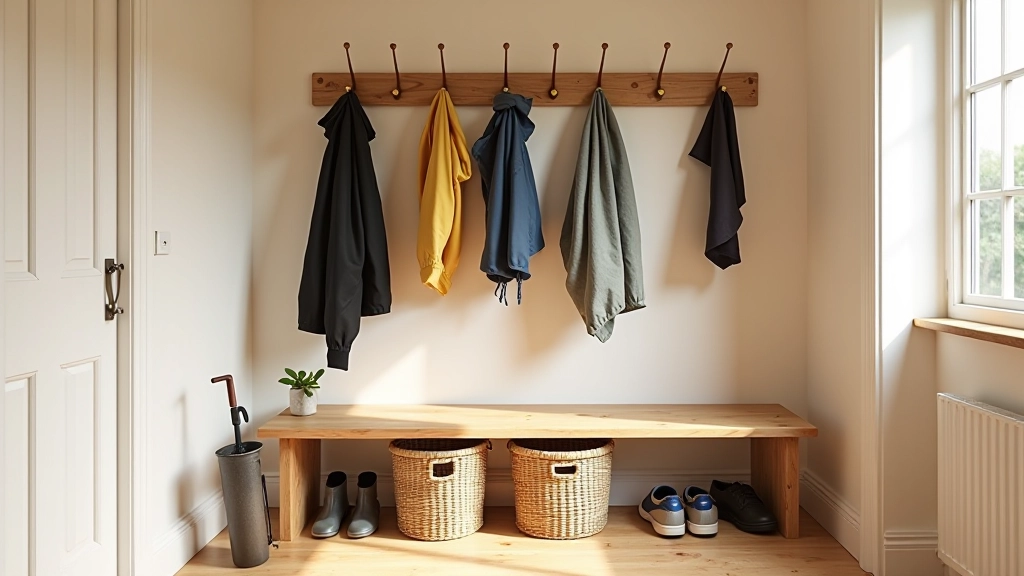
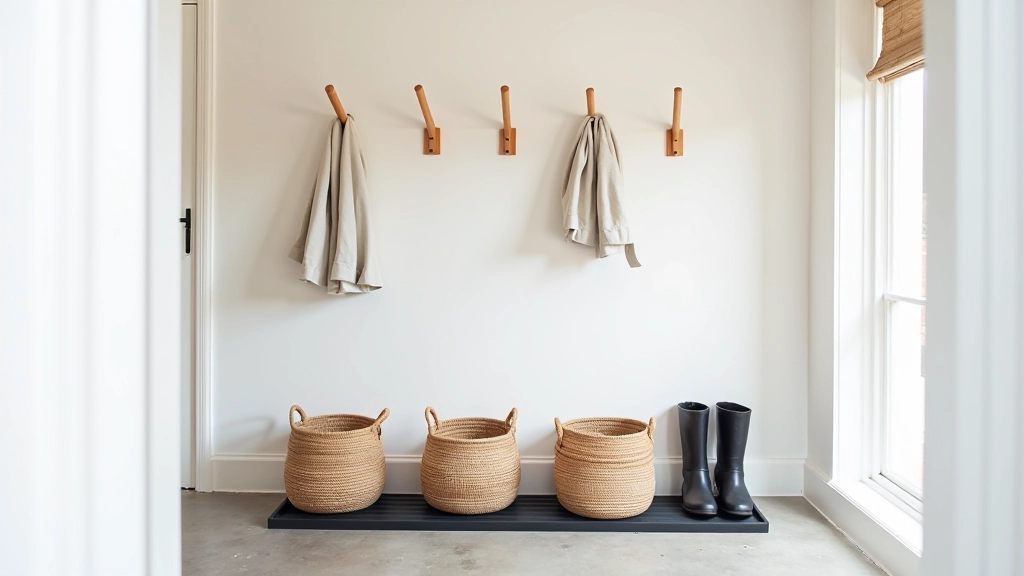
Hooks aren't just hooks. The height, spacing, and material matter more than you'd think. If you get this wrong, nobody uses them — and your coats end up on chairs anyway.
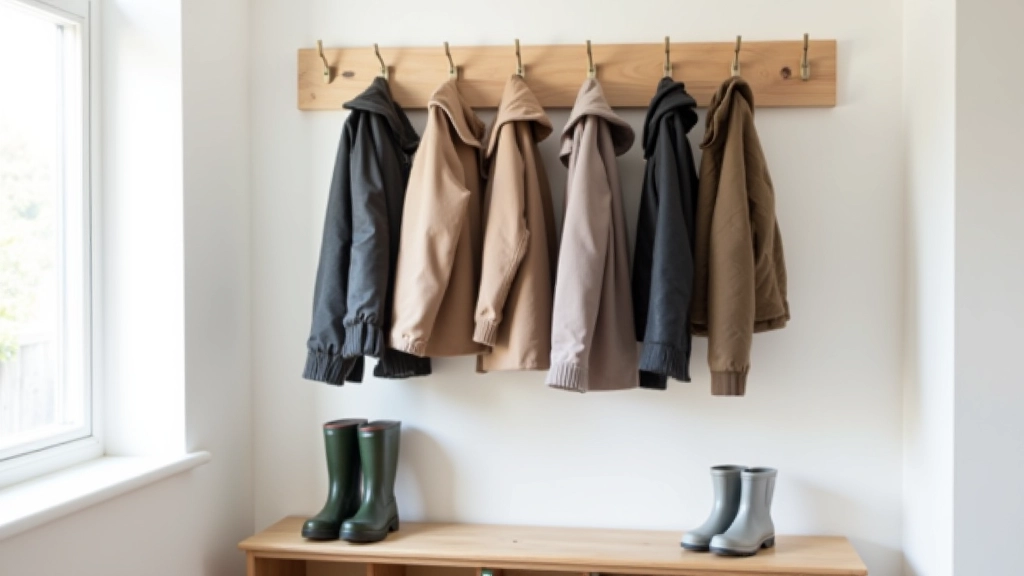
Standard advice says 60 inches (around 1.5 metres) for adults. But that's rubbish if you've got kids. You'll want a mixed approach: hooks at 36 inches for young children, 48 inches for older kids, and 60-66 inches for adults. Space them about 18 inches apart so coats don't bump into each other.
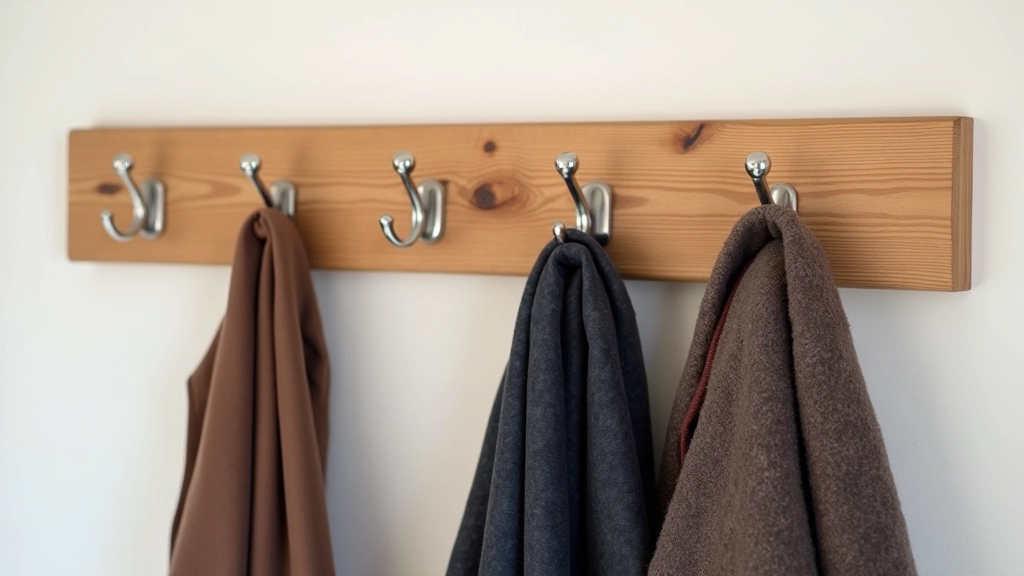
Material matters too. Stainless steel hooks resist rust in damp conditions. Wooden dowel hooks look nicer but need treatment. Heavy-duty hooks should hold 25-30 pounds — you'd be surprised how heavy a wet winter coat actually is. We've found that 3-4 hooks per person works well. One for the everyday coat, one for a spare, one for jackets, one for bags.
Quick Tip:
Install hooks slightly angled downward (about 5 degrees). Coats
slide off less, and it looks intentional rather than crooked.
Boot Storage That Actually Drains
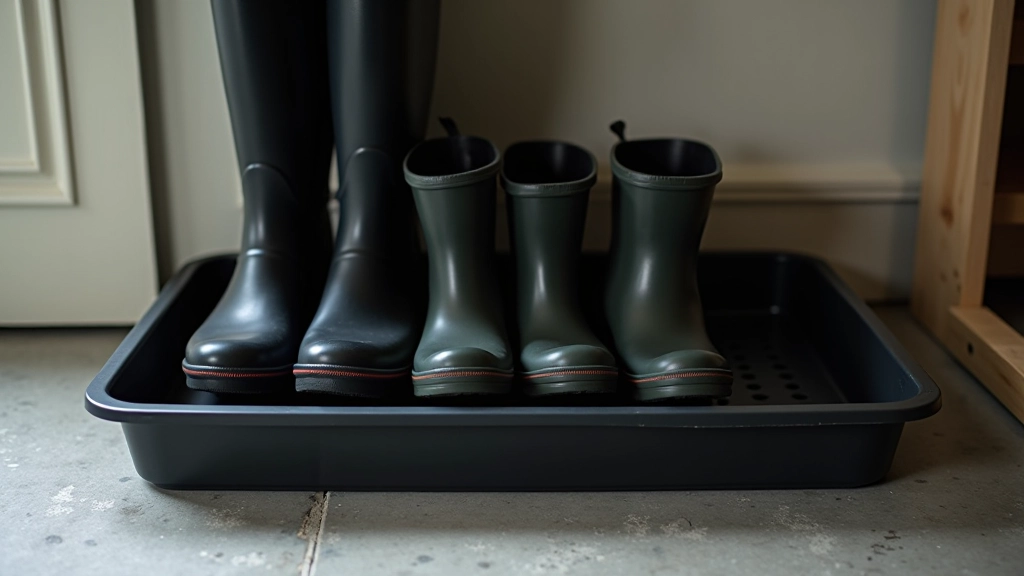
Wellies are the backbone of Irish footwear. Problem is, they're wet most of the time. A standard mat doesn't cut it — you need actual drainage. We're talking about a boot tray with a sloped surface or drainage holes that directs water away from your floor.
Size matters. A tray should be at least 70cm wide if you've got a family. Deeper is better — aim for 15-20cm depth so water doesn't spill onto your hallway. Rubber trays with built-in drainage are brilliant. They're durable, they don't smell, and they're easy to clean out.
For storage behind the tray, tall narrow shelves work better than wide ones. Each person gets their own spot. Label them — sounds obvious, but it actually works. Kids will put boots away if they know exactly where "their" spot is. Wooden cubbies are excellent if you've got the space. They're sturdy, they look nice, and they contain mess.
Setting up boot storage:
- Place drainage tray in highest-traffic area (usually near the door)
- Install cubbies or shelves directly behind or above the tray
- Label each space with names or symbols
- Add newspaper or cardboard inside cubbies to absorb moisture
- Empty and clean the drainage tray weekly
Quick-Dry Solutions That Work
Wet gear sitting around causes mildew, smell, and damaged floorboards. You need proper drying space. This doesn't mean expensive heated racks — though they're nice if you can swing it.
A simple rail with clips or hangers along one wall works brilliantly. Hang wet coats to air-dry for 2-3 hours before putting them away. Open shelves with good air circulation are better than closed cupboards. If you've got a radiator in the hallway, brilliant — position drying racks nearby but not touching the radiator itself.
For wellies, stand them upright on a wooden rack with space between each pair. Air needs to circulate inside and outside. Some people use newspaper or crumpled paper inside wellies to absorb moisture — change it daily for the first week. It actually works.
Invest in one small dehumidifier if your hallway is particularly damp. You'll notice the difference within a week. Less moisture means less smell, less mildew, and gear that lasts longer.
The Small Things That Make It Work
Beyond hooks and boot trays, a few extras transform a mudroom from functional to genuinely pleasant:
Basket for Gloves & Scarves
A single woven basket at eye level. Toss in gloves, scarves, and hats after drying. Everyone knows where to look. One basket beats 10 hooks scattered around.
Umbrella Stand or Rack
Umbrellas are bulky and annoying. A tall stand in the corner keeps them contained and lets them dry properly. Prevents water pooling on your floor.
Bench with Storage
Sitting down to pull off boots is so much easier. Storage underneath holds extra gear or cleaning supplies. Cushioned top makes it actually comfortable.
Mirror & Small Shelf
People check themselves before heading out. A mirror makes the space feel bigger. Shelf above holds keys, small items, or decorative pieces.
Weatherproof Lighting
A simple wall sconce or pendant light. You'll be in this space in the dark. Good lighting makes finding things easier and the space feels intentional.
Flooring That Works
Polished concrete, tile, or sealed wood. Avoid carpet in a mudroom — it'll trap moisture and smell. Choose something that cleans easily and dries fast.
Your Mudroom Doesn't Have to Be Chaos
A well-designed mudroom saves time, protects your home, and honestly makes you happier when you come through the door. You're not aiming for perfection — you're aiming for a system that actually works with how your family lives.
Start with the basics: hooks at the right heights, a boot tray with drainage, and drying space. Add accessories as you figure out what you actually need. The best systems evolve. What works for a family with young kids might not work when they're teenagers. That's fine. Adjust as you go.
Your family will notice the difference immediately. No more digging for gloves. No more wet coats on chairs. No more "where are my wellies?" The small investment of time and money now pays off every single day.
Disclaimer
This article is for informational purposes only. Storage solutions vary based on individual home layouts, family size, climate conditions, and personal preferences. The suggestions provided are general guidance based on common practices. Always ensure installations are structurally sound and safe for your specific space. For significant renovations or structural changes, consult with a professional tradesperson or surveyor familiar with Irish building standards.
Related Articles